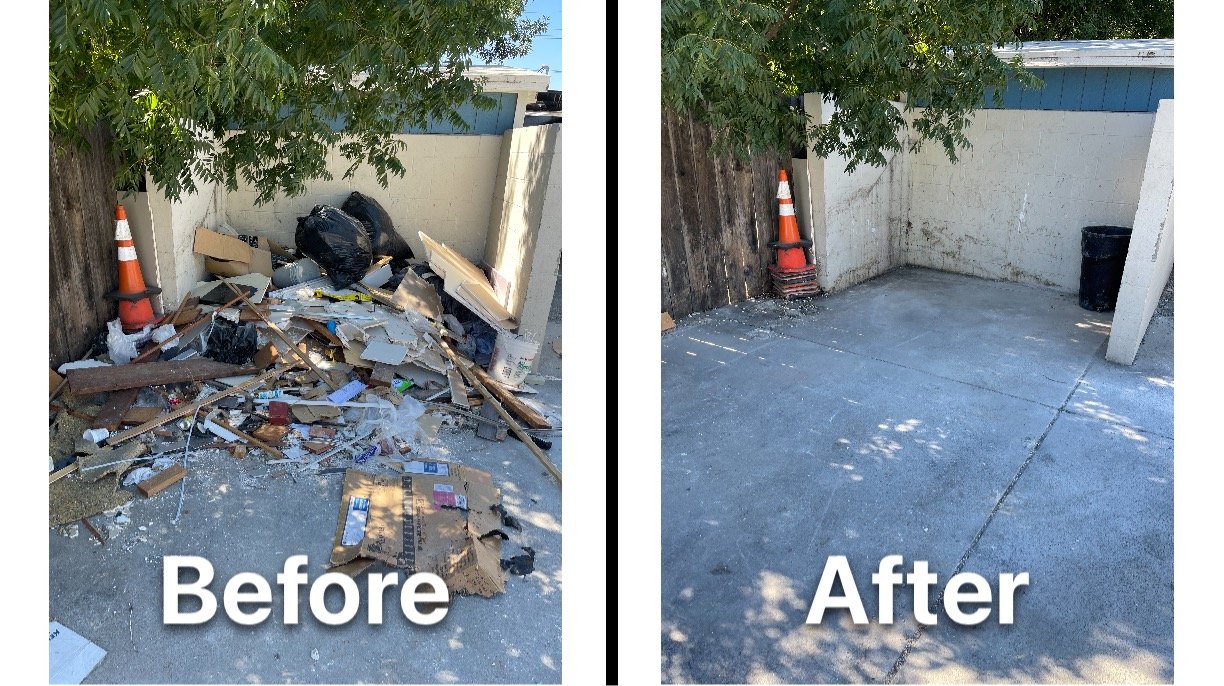
Construction projects, whether residential or commercial, generate large amounts of debris that can pose safety hazards if not managed properly. Efficient construction debris cleanup and removal ensures that work sites remain safe, organized, and compliant with local regulations. Proper debris management also prevents injuries, environmental contamination, and delays in project timelines. Services like post construction waste removal and building site debris cleanup provide contractors with a structured approach to handling leftover materials. Professional debris removal services help reduce clutter, remove hazardous items, and prepare the property for occupancy or the next construction phase. Efficient cleanup protects workers, preserves property integrity, and maintains overall site productivity.
Why Professional Services Matter
Hiring Miami Valley Janitorial Services ensures that debris removal is done safely and effectively. Professional teams bring experience, specialized tools, and knowledge of local regulations for construction waste disposal. Using experts in commercial construction waste disposal guarantees that hazardous materials and general debris are handled correctly. Residential construction debris removal also benefits from professional oversight, preventing contamination and maintaining aesthetic appeal. Experts can sort materials for recycling, repurposing, or proper disposal, reducing environmental impact. Engaging trained professionals helps contractors avoid legal penalties and improves overall project efficiency. Proper planning and execution by debris removal specialists also prevent delays and ensure safer, cleaner work sites.
Planning Construction Debris Cleanup
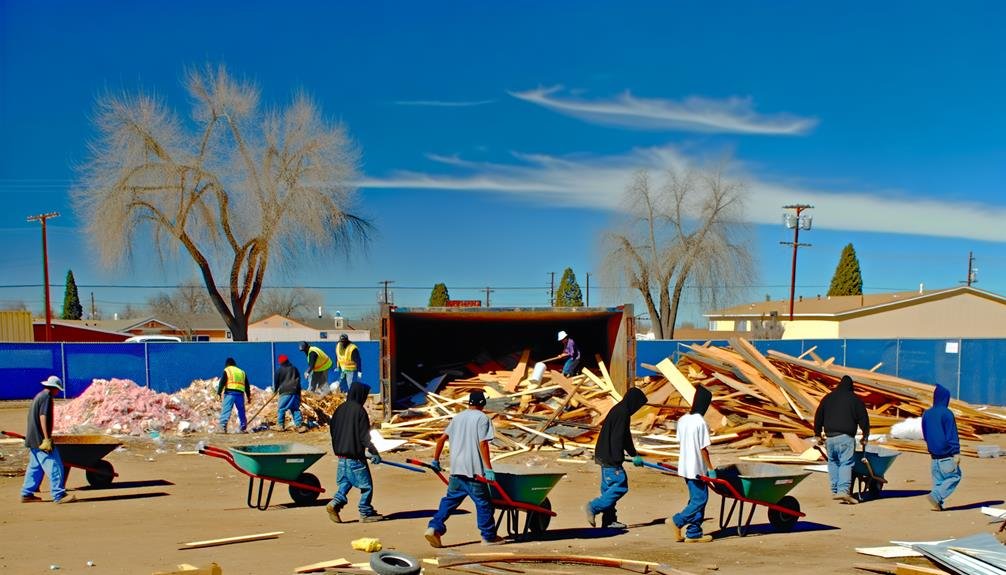
Effective debris management starts with planning before construction begins. Contractors should allocate designated areas for debris collection and sorting. This ensures that materials like wood, metal, and concrete are separated for recycling or disposal. Construction site sanitation measures, such as placing bins strategically and maintaining clean pathways, prevent accidents and minimize fire hazards. Hazardous material handling protocols should be clearly established to ensure worker safety. Scheduling regular cleanup intervals throughout the project reduces the accumulation of debris and keeps the site organized. With proper planning, contractors can streamline the workflow, improve safety, and reduce the time and resources needed for end-of-project cleanup.
Sorting and Categorizing Debris
Sorting construction debris is crucial for efficient removal and disposal. Materials should be categorized into recyclable, reusable, hazardous, and general waste. Professional debris removal services follow strict protocols to separate items safely and reduce contamination risks. For example, wood, metals, and plastics are sent to recycling facilities, while chemical containers and paint must be handled as hazardous waste. Residential construction debris removal also benefits from categorization, ensuring proper disposal without harming the environment. Clear labeling and organized collection points simplify transportation and reduce accidental exposure to dangerous materials. Proper sorting enhances safety, minimizes environmental impact, and ensures compliance with local regulations for construction waste management.
Handling Hazardous Materials Safely
Certain debris, such as asbestos, chemicals, and solvents, requires specialized handling. Contractors must adhere to safety standards for hazardous material handling during cleanup. Personal protective equipment, secure containment, and certified disposal services are essential. Professional debris removal services are trained to identify hazardous waste and apply proper procedures for safe removal. Failure to manage hazardous materials correctly can result in legal penalties, environmental damage, and health risks. Residential and commercial sites alike benefit from expert handling, as improper disposal could contaminate soil or air quality. Ensuring that hazardous materials are removed efficiently protects workers, residents, and the environment from potential harm.
Tools and Equipment for Efficient Cleanup
Using the right tools and equipment is key to efficient construction debris cleanup and removal. Dumpsters, compactors, and industrial vacuums help manage large volumes of waste quickly. For fine dust, HEPA-filtered vacuums prevent particles from becoming airborne. Wheelbarrows, carts, and forklifts streamline the movement of heavy materials. Protective gear such as gloves, masks, and eye protection safeguards workers from injury. Post construction waste removal is more efficient when paired with proper equipment, reducing manual labor and accelerating the cleanup process. Employing industrial-grade tools ensures that both residential and commercial construction sites remain safe, organized, and compliant with safety regulations.
Compliance and Environmental Considerations
Proper debris cleanup must follow local, state, and federal regulations regarding waste disposal. Recycling and repurposing materials whenever possible reduces landfill impact. Commercial construction waste disposal protocols ensure environmentally responsible handling of metals, concrete, and plastics. Residential projects also benefit from green disposal practices, preventing soil or water contamination. Contractors should collaborate with certified waste disposal and recycling centers to guarantee compliance. Environmental stewardship not only protects the planet but also enhances the reputation of the construction company. Proper planning, sorting, and disposal minimize the risk of fines and support sustainability initiatives, ensuring construction debris management is responsible and effective.
Benefits of Regular Debris Cleanup
Regular cleanup throughout a construction project improves safety, productivity, and aesthetics. Building site debris cleanup prevents trip hazards, reduces dust accumulation, and ensures clear pathways for workers. It also minimizes the risk of fire hazards caused by combustible materials. Contractors who maintain clean sites improve efficiency, as workers can move freely and complete tasks faster. Regular debris removal also ensures that inspections proceed without delays caused by clutter or unsafe conditions. Residential and commercial properties alike benefit from ongoing cleanup, leaving a finished site that is safe, professional, and ready for immediate use. Clean sites reflect high standards and enhance client satisfaction.
Best Practices for Construction Debris Removal
To efficiently manage construction debris cleanup and removal, contractors should follow best practices. Start with a detailed site assessment to identify debris types and hazards. Schedule regular cleanup intervals rather than waiting until project completion. Implement clear protocols for sorting, recycling, and hazardous waste disposal. Engage professional debris removal services for large-scale projects or hazardous materials. Maintain proper personal protective equipment and train workers on safety procedures. Document all waste management steps to ensure regulatory compliance. Following these best practices ensures projects remain safe, efficient, and environmentally responsible. Efficient debris management reduces accidents, prevents delays, and preserves property quality.
FAQs
Why is construction debris cleanup and removal important?
It ensures safety, prevents injuries, and maintains project efficiency.
Can hazardous materials be removed safely?
Yes, professional services follow strict protocols to protect workers and the environment.
What types of equipment are needed for efficient cleanup?
Dumpsters, industrial vacuums, compactors, wheelbarrows, and protective gear are essential.
How often should debris cleanup be performed?
Regular intervals during construction prevent hazards and maintain organized sites.
Are there environmental benefits to professional debris removal?
Yes, recycling and proper disposal reduce landfill impact and contamination risks.
Conclusion
Efficient construction debris cleanup and removal is critical for safety, compliance, and project success. Partnering with experts such as Miami Valley Janitorial Services ensures professional debris management, including residential construction debris removal, commercial construction waste disposal, and construction site sanitation. Proper sorting, hazardous material handling, and regular cleanup improve efficiency and protect workers, clients, and the environment. Contractors benefit from organized, safe work sites and reduced liability risks. By integrating professional debris removal services into project workflows, construction teams can focus on quality work while ensuring that sites remain hazard-free and ready for immediate use upon completion.